Our standards
Where it comes from. How it’s handled. Why it costs what it does.
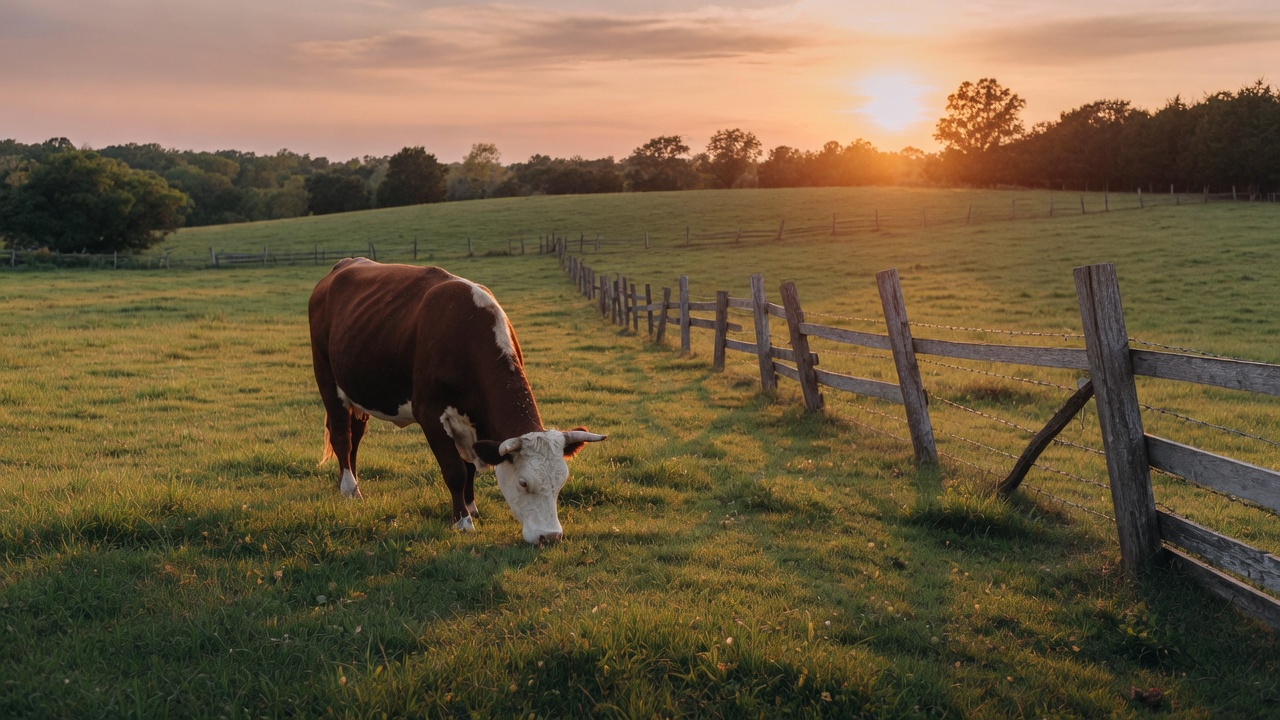
Three small ranches, one inspected abattoir, one counter. We name the farms, the abattoir, the breeds, the feed, the number of days a thing has been dry-aged. The whole chain is short enough to talk about on a single page — that’s the point.
№ 01 Sourcing
We buy direct, on the rail, every other week.
We do not buy from a distributor. Every whole animal we sell was raised by someone we’ve met, on a ranch we can drive to, and we picked it up in our own refrigerated truck. We pay on the rail (the dressed weight after slaughter) rather than the live weight, because that rewards the rancher for raising a clean, healthy carcass — not for filling an animal with feed before sale day.
We split whole primals in-house. A 750-pound steer breaks into roughly 480 pounds of saleable beef; the rest is bone, fat, and trim that we grind, render, or send to the abattoir’s bone-meal cooperative. None of it is wasted, but not all of it is prime rib. The price you pay reflects the whole animal — the cheap cuts subsidize the existence of the expensive ones, exactly the way the rancher subsidizes the existence of the trim.
We do not currently sell organic, because the two ranches we work with aren’t certified organic and we’d rather name the farmers than pay for a label. If you want organic, we’ll point you to a ranch that does it well. We will not stock it on the counter and pretend.
№ 02 Dry-aging
Aging is time, temperature, and humidity. Nothing else.
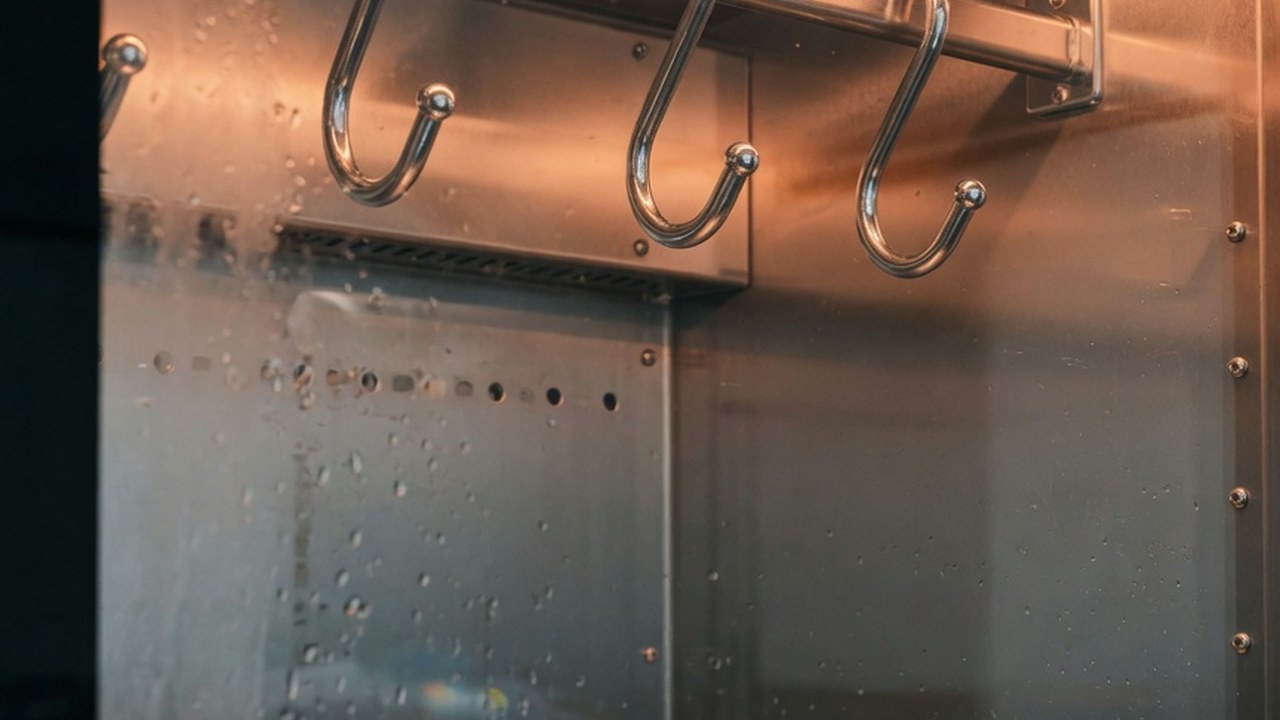
Dry-aging is the controlled dehydration of a primal. The exterior develops a dry pellicle (the visible browning or blue-green surface mold) and the interior moisture migrates outward, concentrating flavor. We do not apply cultures, sprays, or anti-microbials. The pellicle is trimmed before the cut is portioned. What you eat is what the animal made plus what time and the air did to it.
We age specific cuts — ribeye, striploin, sirloin — on the bone for 28, 42, or 65 days. The cabinet is a single dedicated unit with its own thermostat, hygrometer, and UV-sterilized air handler. We log temperature and humidity twice a day. We are not certified USDA Prime, because the certification is voluntary and the time it takes to apply is better spent keeping the cabinet honest.
The 28-day age is what most people want. The 42-day age has more concentrated beef flavor and a noticeably softer texture. The 65-day age is a seasonal thing — we only run it in late autumn through early spring, when the ambient air is dry enough to keep the cabinet humidity stable. Ask at the counter if you want a specific age; we keep one or two of each running most weeks.
№ 03 The chain
From farm to counter, in seven steps.
- 01
Ranch pickup
Whole animal loaded into our refrigerated truck at the ranch. Cold chain stays unbroken from the ranch gate forward.
- 02
Abattoir
Stun, bleed, eviscerate, split into sides, weight on the rail. Carcass enters the chill cooler within 20 minutes of stun. We pay on the rail weight here.
- 03
Aging (beef only)
Sides hang for 7 to 14 days in the abattoir’s chill cooler. We then bring selected primals to the shop cabinet for the additional dry-aging run.
- 04
Breaking
Whole primals broken into sub-primals on Mondays and Thursdays. Trim, silver skin, and hard fat are pulled; usable trim is ground or rendered.
- 05
Portioning
Cut to your specification at the counter. Thickness on a steak is a decision you make with the butcher, not a size on a tag.
- 06
Wrap
Butcher paper, a grease-pencil mark with the cut and the date, your name if it’s a reservation. No plastic unless you ask, and then we’ll ask why.
- 07
Hand-off
Across the counter, with the temperature check and the cooking advice if you want it. We don’t ship.
№ 04 What we won’t compromise on
Four non-negotiables.
No mystery meat.
If you can’t tell what animal, what cut, what ranch, and how long ago it was alive — we won’t sell it to you. The whole chain is short enough that every piece of paper in the case can answer those four questions.
No shortcuts on handling.
Cold chain stays cold. The case stays clean. The knives stay sharp. The block gets a full scrub at end of day. None of this is glamorous; all of it is the actual job.
No question is too basic.
The counter exists so that people who don’t know what a cut is can ask without embarrassment. If you’ve never cooked a ribeye before, you’re our favorite kind of customer.
No fake scarcity.
We don’t mark up cheap cuts to look premium, we don’t hide shrink behind shrink-wrap, we don’t sell “Angus” without naming the ranch. The price is the price. The cut is the cut.